The Surprising Connection: Programming and Alternative Therapies
Category : rubybin |
Sub Category : rubybin Posted on 2023-10-30 21:24:53
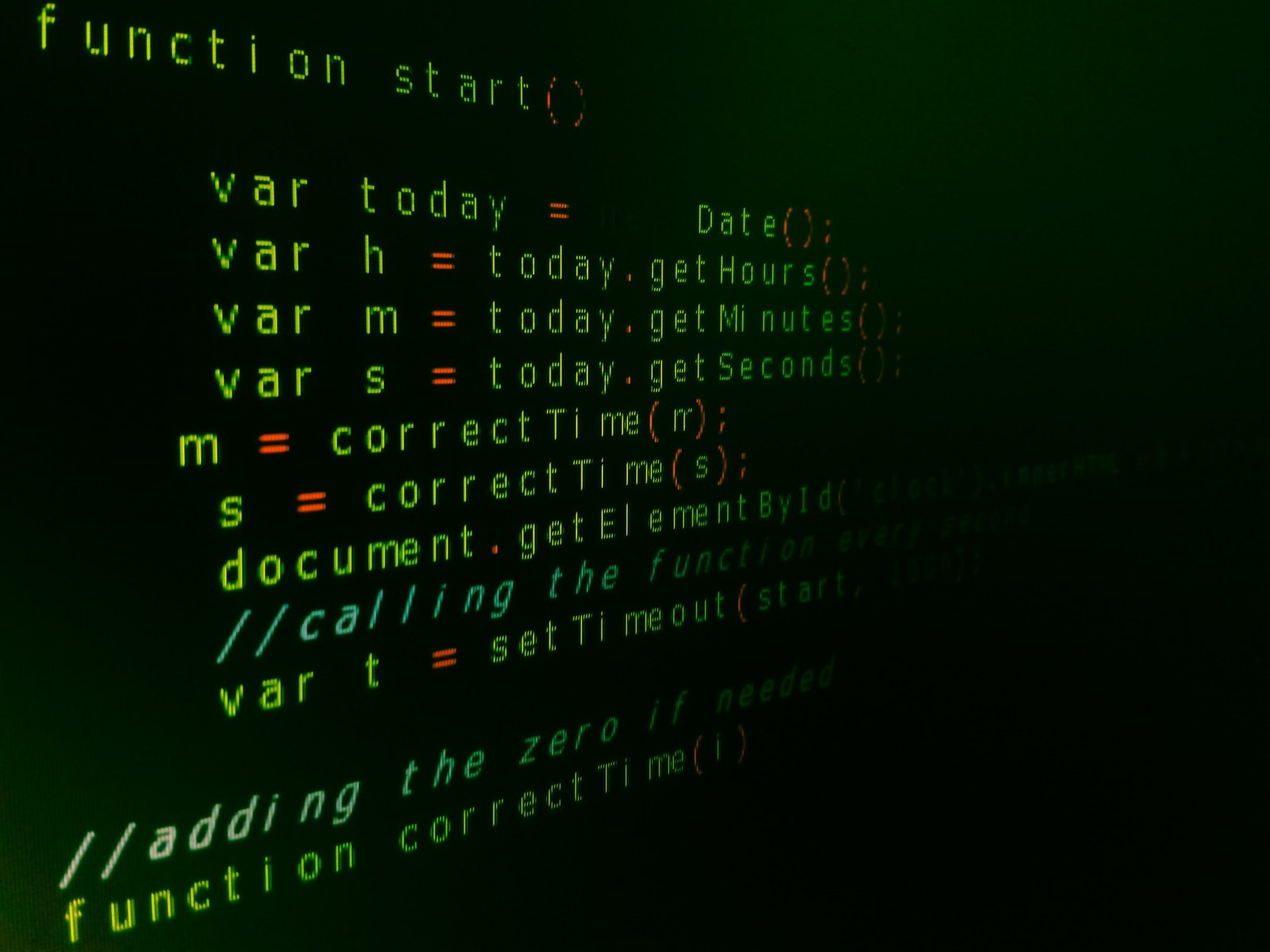
Introduction: In today's fast-paced and demanding world, many individuals turn to alternative therapies to find solace and achieve a sense of well-being. From acupuncture to meditation, these practices have shown promising results in supporting mental and physical health. But did you know that programming, often associated with the tech world, can also be considered an alternative therapy? In this article, we'll explore the surprising connection between programming and alternative therapies, and how they both can contribute to a better life. 1. Mindfulness in Programming: Mindfulness, a key component of many alternative therapies, is the practice of being fully present in the moment. It involves paying attention to one's thoughts, feelings, and environment without judgment. Interestingly, coding requires a similar state of mind. When programming, you need to focus entirely on the task at hand, immerse yourself in the logic, and find creative solutions to problems. This deep concentration resembles the mindfulness achieved through meditation or yoga. 2. Coding as a Therapeutic Outlet: Engaging in activities that allow individuals to express themselves and find meaning can greatly benefit their mental and emotional well-being. Programming, with its ability to create something unique from scratch, can provide a therapeutic outlet for self-expression and problem-solving. It allows individuals to channel their emotions, thoughts, and ideas into a tangible outcome, which can bring a profound sense of achievement and satisfaction. 3. Building Resilience and Problem-Solving Skills: Alternative therapies often aim to build resilience and enhance problem-solving skills, helping individuals navigate through challenges more effectively. Similarly, programming requires individuals to tackle complex problems, break them down into manageable chunks, and work through them methodically. With every successfully completed project, programmers learn to adapt to new situations, think critically, and develop resilience in the face of obstacles. 4. Community and Support: Building connections and finding support within a community is a crucial aspect of alternative therapies. From support groups to workshops, individuals often come together to share experiences and learn from one another. Similarly, in the programming world, tech communities provide a space for programmers to exchange ideas, collaborate, seek guidance, and celebrate successes. The supportive nature of these communities can greatly contribute to an individual's personal growth and healing process. 5. Exploring Innovative Solutions: Alternative therapies encourage individuals to explore innovative solutions beyond traditional methods. Similarly, programming revolves around finding innovative solutions by thinking outside the box. Developers constantly seek new ways to approach problems, creating software, applications, and systems that improve lives. This shared interest in exploring new possibilities aligns programming and alternative therapies, emphasizing the importance of adaptability and open-mindedness. Conclusion: Although programming and alternative therapies may seem unrelated at first, they share a surprising number of similarities. Both require a state of mindfulness, provide a therapeutic outlet, foster problem-solving skills and resilience, build communities, and encourage innovative thinking. Whether you find solace in meditation or Java, it's essential to recognize the diverse ways through which we can achieve personal growth and well-being. So, if programming speaks to you, embrace it as an alternative therapy that can bring positive changes to your life. For a deeper dive, visit: http://www.lifeafterflex.com If you are enthusiast, check the following link http://www.doctorregister.com If you are enthusiast, check this out http://www.droope.org Seeking expert advice? Find it in http://www.grauhirn.org


