Mastering Time with Programming: Unleashing the Potential of Wall Clocks
Category : rubybin |
Sub Category : rubybin Posted on 2023-10-30 21:24:53
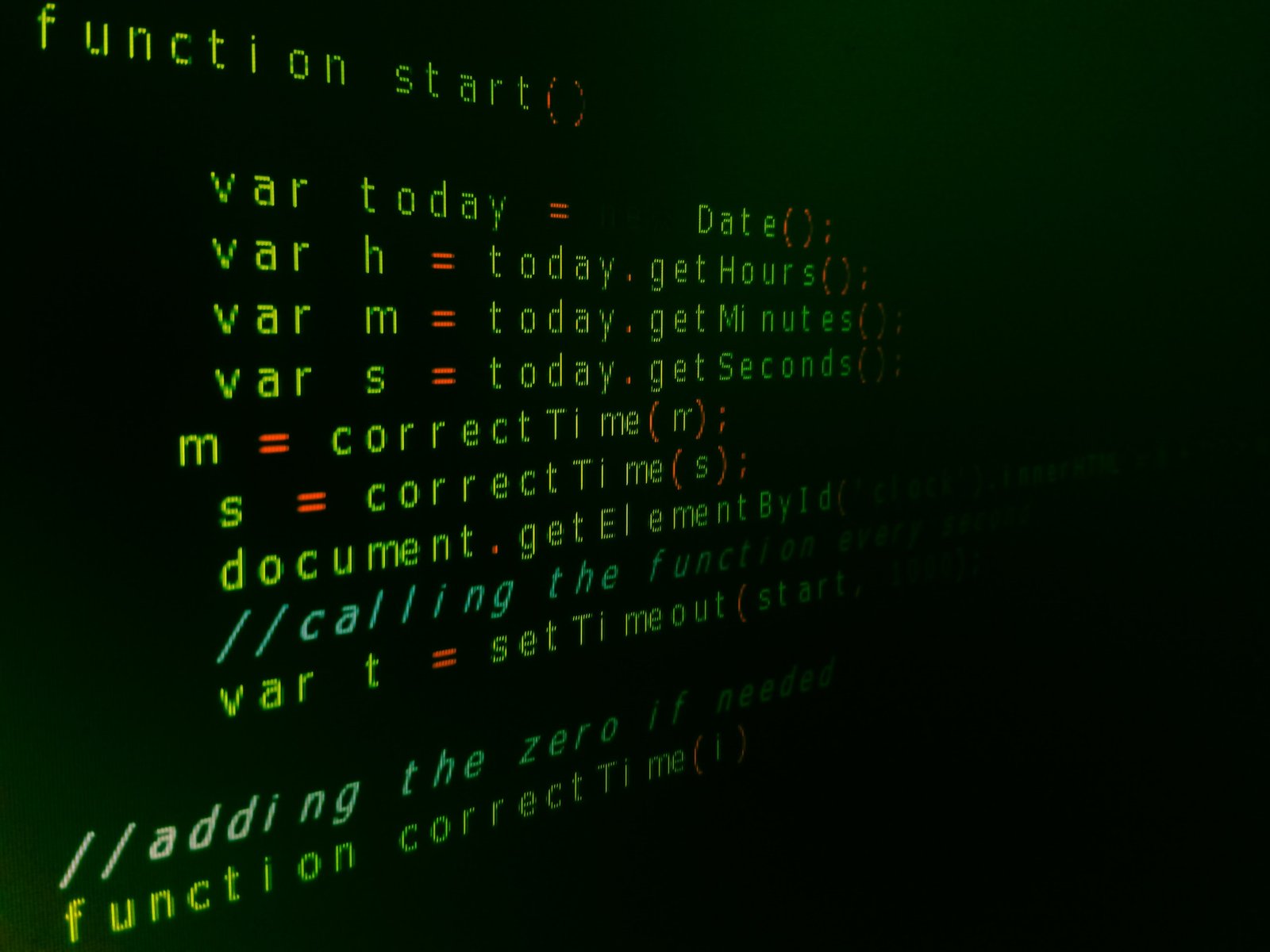
Introduction: In the realm of programming, time plays a crucial role in various applications and systems. Whether it's scheduling tasks, measuring performance, or synchronizing events, programmers heavily rely on capturing and manipulating time accurately. While computers have their own internal clocks, there are instances where using wall clocks becomes essential. In this article, we will explore the significance of programming with wall clocks and how to harness their potential for efficient time management. 1. Understanding Wall Clocks: Wall clocks, also known as real-time clocks (RTC), refer to timekeeping devices that provide the current time independently of the internal clock of a computer or electronic system. These clocks are hardware components integrated into devices, such as microcontrollers, embedded systems, and IoT devices. Unlike computer clocks, wall clocks are not affected by factors like system sleep or clock adjustments, making them invaluable in specific scenarios. 2. Use Cases for Wall Clocks in Programming: 2.1. Time Critical Applications: In certain industries like finance, telecommunications, or real-time systems, precise time synchronization is of utmost importance. Wall clocks allow programmers to accurately timestamp and sequence events, ensuring smooth operations and efficient data processing. High-frequency trading, network synchronization, and real-time simulation are just a few examples where wall clocks shine. 2.2. Resource Allocation and Scheduling: Wall clocks play a vital role in managing resource allocation and scheduling tasks, especially when real-time constraints are involved. By leveraging wall clocks, programmers can implement time-based algorithms, assign priorities, and execute processes accordingly. Common examples include task scheduling in operating systems, process control systems, and automation processes. 2.3. Compliance and Auditing: Certain industries have stringent regulatory requirements, where accurate time tracking is crucial for compliance and auditing purposes. Wall clocks enable programmers to authenticate transactions, maintain accurate logs, and ensure data integrity. Applications within the healthcare, legal, and financial sectors rely on wall clocks to establish a consistent timeline of events. 3. Programming with Wall Clocks: 3.1. Accessing Wall Clocks: To interact with wall clocks, programming languages provide libraries or APIs to retrieve time from RTC chips. Languages such as C, C++, Python, Java, and others have built-in functions or modules for obtaining wall clock time. These functions facilitate retrieving the current time, setting alarms, and performing time-related calculations. 3.2. Handling Time Zones: One challenge when using wall clocks is managing time zones. Different regions have distinct time zone offsets, daylight savings, and variations in observance. Programmers need to consider these factors to ensure proper handling of time zone conversions and eliminate ambiguity in timestamped events. 3.3. Error Handling and Synchronization: In a distributed system where multiple devices rely on wall clocks, network latency and clock drift can introduce inconsistencies. Programmers must incorporate error handling mechanisms, synchronization protocols, or utilize distributed consensus algorithms to mitigate these issues. Precise coordination and data exchange between devices ensure accurate timekeeping. 4. Best Practices: 4.1. Embrace Time Standardization: Adhering to recognized time standards, such as Coordinated Universal Time (UTC), eliminates ambiguity and simplifies time management across various systems. Consider implementing Network Time Protocol (NTP) or Precision Time Protocol (PTP) for accurate time synchronization. 4.2. Use Robust Libraries and Frameworks: Leverage well-tested and reliable libraries or frameworks for accessing wall clocks in your programming language of choice. These tools handle intricacies like leap seconds, clock drift, and time zone conversions, saving you from reinventing the wheel. 4.3. Testing and Validation: Before deploying time-sensitive applications, thoroughly test and validate the accuracy of your wall clock interactions. Simulate various scenarios, time zone changes, and network delays to ensure your code performs as intended. Conclusion: Programming with wall clocks unlocks a realm of possibilities for managing time accurately. From time-critical applications to compliance-driven industries, wall clocks serve as powerful allies for precise time measurements. By understanding their capabilities and incorporating best practices, programmers can harness the potential of wall clocks to deliver robust and reliable applications that move in sync with the real world. For comprehensive coverage, check out http://www.lifeafterflex.com You can also Have a visit at http://www.clockdiscount.com For an in-depth examination, refer to http://www.droope.org To see the full details, click on: http://www.grauhirn.org


